Latte, cappuccino, cortado, macchiato: the names on a coffee menu in Lincolnton describe a short list of recipes built from the same two ingredients, espresso and milk, in different proportions. Once you know the proportions, the menu stops being a vocabulary test and becomes a simple choice about strength and texture.
This is a practical how-to for ordering and for understanding what is in the cup. You do not need to make espresso at home to use it. You only need to know how much milk you want standing between you and the coffee.
The ratio is the recipe
Every milk drink below starts with one or two shots of espresso. What changes is the amount and form of the milk. A macchiato is espresso marked with a small dollop of foam, so the coffee stays front and center. A cortado cuts espresso with roughly an equal amount of warm milk, served small, usually in a glass of about four ounces. A cappuccino divides the cup into rough thirds: espresso, steamed milk, and a thick cap of foam. A latte gives the milk the largest share, with a thin layer of foam on top, which is why a latte tastes mellow even with the same shots as a cappuccino.
Two drinks without milk round out the list. A straight espresso is the shot itself, about an ounce, intense and quick. An Americano is espresso lengthened with hot water, which gives you a larger, milder cup that still tastes like espresso rather than drip coffee.
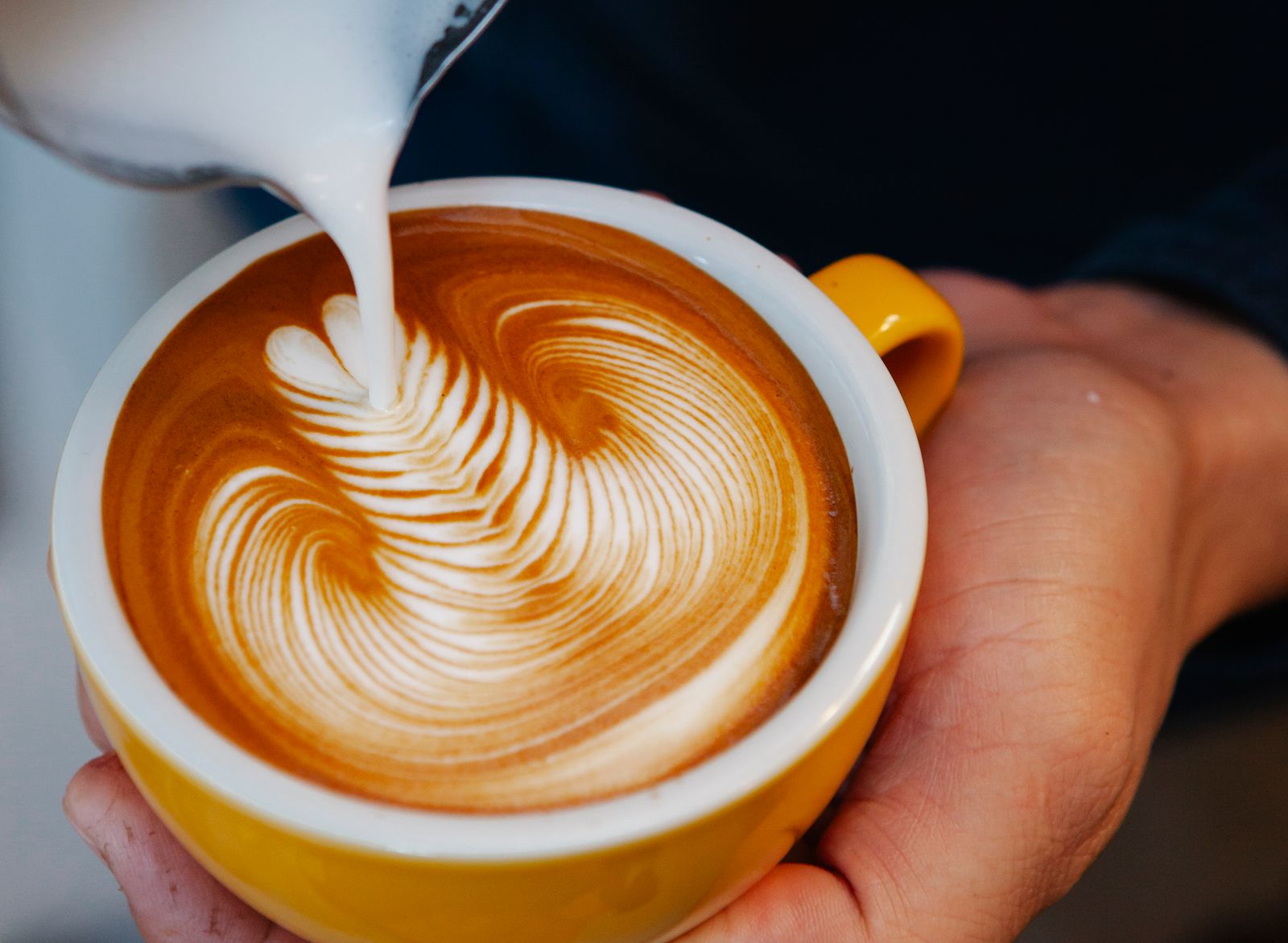
How to order what you actually want
Work through these steps in order and you will land on the right drink almost every time, at Fausto Coffee or anywhere else.
- Decide how strong you want the coffee flavor. For coffee first and milk second, stay at the macchiato and cortado end. For milk first and coffee as a backdrop, choose a latte.
- Decide on texture. Foam fans should order a cappuccino, where foam is a full third of the drink. If you want smooth and liquid all the way through, a latte or cortado fits better.
- Pick a size with the ratio in mind. Ordering a larger latte usually means more milk with the same shots, so the coffee flavor gets quieter. If you want a large cup and strong flavor, ask for an extra shot.
- Say the temperature plainly if it matters. Drinks can be made hotter or just warm, and saying so at the register beats sending a cup back.
- For iced versions, remember that ice displaces milk. An iced latte tastes a touch stronger than its hot version in the same size because there is less room for milk.
- When in doubt, name the outcome instead of the drink. Asking for something small and strong, or large and mild, lets the barista point you to the right name.
Cup sizes and what they signal
Size is part of the recipe, not just thirst. A cortado only makes sense small, because its balance depends on that near-equal ratio in a few ounces. A cappuccino is traditionally around five to six ounces, large enough for the foam cap to matter and small enough that the espresso still shows through. Lattes commonly run from eight ounces up to large takeaway sizes, and their flavor softens as the size grows unless shots are added.
That is also why the same drink name can taste different between shops. Recipes are conventions, not laws, and two cafes may build a cappuccino with different shot counts or cup sizes. If a drink lands differently than you expected, the fix is usually a ratio adjustment, not a different shop.
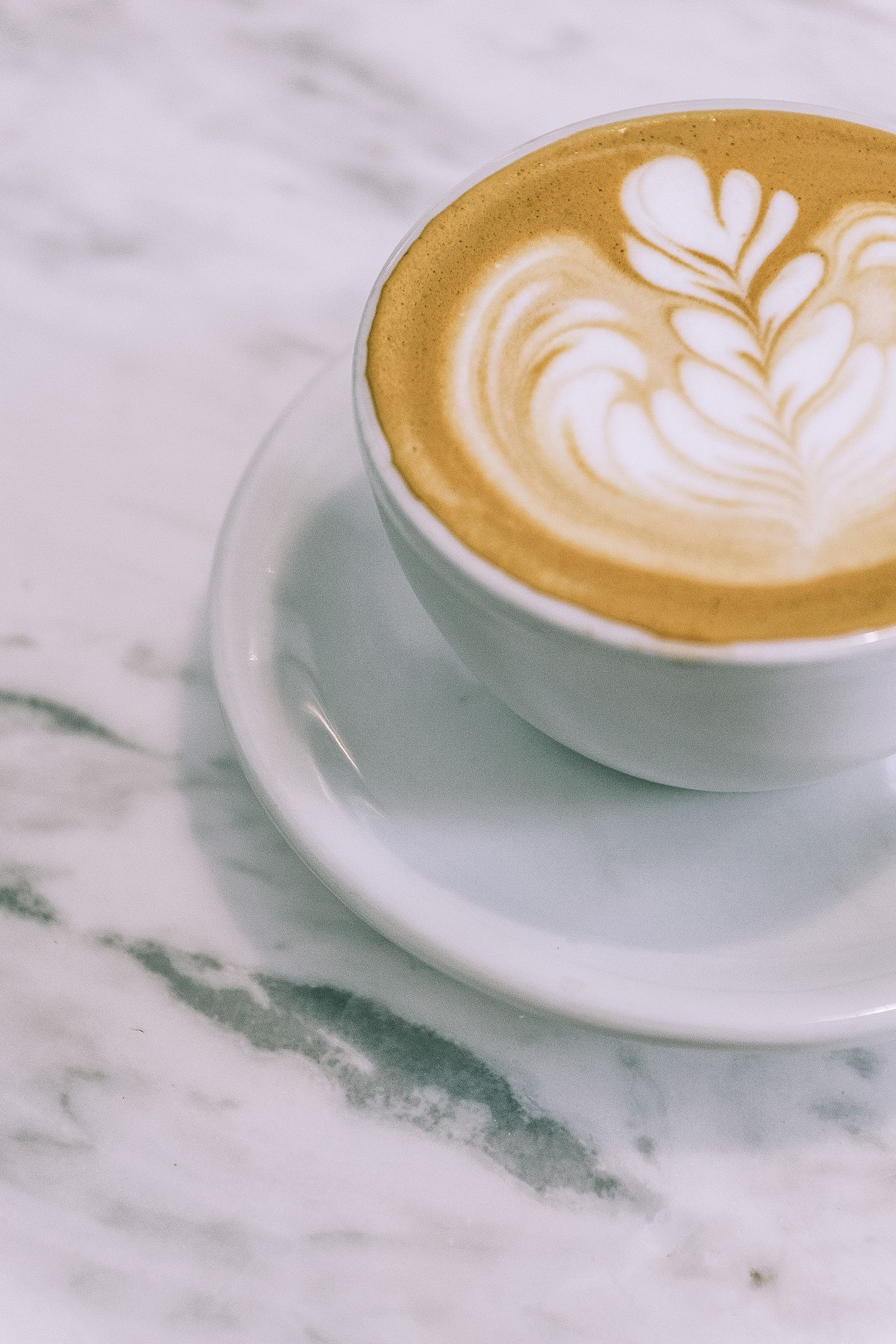
The line between home and cafe
At home without an espresso machine, you can still use the ratio idea. Strongly brewed coffee with a modest amount of hot milk approximates the latte end of the scale, and a small, very strong brew with a spoon of foam points toward a macchiato. What home setups rarely match is the texture of properly steamed milk, which is silky rather than bubbly, and the concentration of a true espresso shot pulled under pressure.
That is the honest dividing line: ratios and ordering are yours to master anywhere, while fine milk texture and true espresso extraction are the cafe's equipment and daily practice. Knowing the first part makes the second part easy to ask for.
Common questions
What is the difference between a latte and a cappuccino?
Milk proportion and foam. A cappuccino is roughly equal thirds of espresso, steamed milk, and foam, while a latte has much more steamed milk and only a thin foam layer.
Which drink is strongest?
A macchiato or cortado tastes strongest because there is little milk to soften the espresso. Total caffeine still depends on the number of shots in the drink.
What should I order if I like coffee mild?
Choose a latte in a standard size, which gives the milk the largest share. If even that feels strong, ask how many shots it includes and request one fewer.
Photos in this guide are representative stock images.
← All guides from Fausto Coffee← Back to Fausto Coffee